The Question Changes Once You Add a Daily Commute
Most of the PPF conversation online is built around cars that get driven a few thousand miles a year and spend the rest of their time under a cover. That’s not the question we get most often in Tyngsborough.
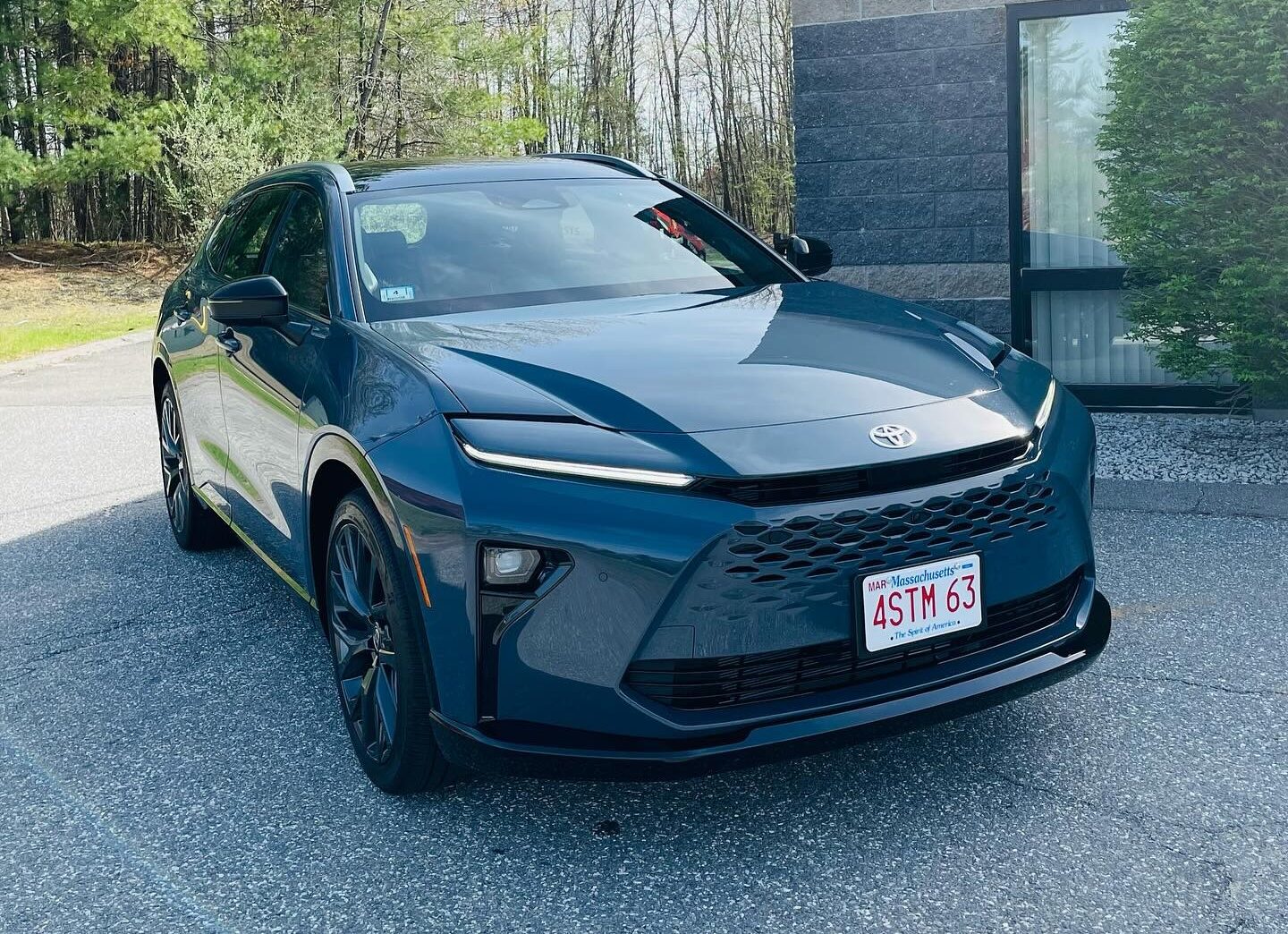
We get it from someone whose Tesla Model Y makes the Route 3 run to Nashua five days a week, sits in a Market Basket parking lot getting door-dinged, and takes the brunt of every sanding truck between November and March. That’s a different math problem than protecting a Saturday car.
So the honest answer to “is PPF worth it for a daily driver” isn’t yes or no. It depends on how you’re using the car, how long you’re keeping it, and what you’re actually trying to avoid. Here’s how we think about it, and where we’d tell a customer to save their money.
What Actually Moves the Math
Five things determine whether paint protection film pays for itself on a car that sees real daily use:
1. Vehicle value and repaint cost
A high-end EV or exotic has a paint and panel replacement cost that makes even full-body PPF look inexpensive by comparison. On a lower-value commuter, the same coverage has to be justified on other grounds, usually resale condition or personal tolerance for chips.
2. Annual mileage and route
A car doing 20,000+ highway miles a year on I-495 or Route 3 is absorbing far more rock and debris impact than one doing short local trips. Mileage is the single biggest driver of whether front-end damage becomes a cosmetic problem within the first year or the fifth.
3. Road exposure type
Highway commuting and rural New Hampshire back roads are not the same exposure. Newly chip-sealed rural roads throw loose stone for months after paving, and that’s a specific, predictable risk a lot of owners don’t think about until it’s already happened.
4. Ownership length
If you’re leasing for two years and turning it in, the calculation is almost entirely about lease-end wear charges and resale optics, not long-term protection. If you’re keeping the car for eight to ten years, film pays for itself differently: it’s protecting paint you can’t easily replace later.
5. Paint color and finish
Dark paint and satin or matte finishes show swirl marks, rock chip touch-ups, and clear coat degradation far more visibly than lighter colors. Two owners with identical mileage can have very different reasons for wanting protection based on color alone.
New England Winters Don’t Treat Every Car the Same
Salt brine, sand, and the freeze-thaw cycle that chews up road surfaces around Tyngsborough are hard on paint regardless of what you drive. But a car that’s garaged overnight and washed regularly through winter takes on far less cumulative damage than one that sits outside and gets driven through slush daily. If you’re the second kind of owner, PPF is doing real work. If you’re the first, the case is weaker, and we’ll say so.
Matching Coverage to How You Actually Drive
Not every daily driver needs full-body coverage, and we don’t sell it that way. Our coverage steps up in clear stages:
- Silver (full front bumper, full hood, partial front fenders, headlights, and side mirrors) covers the highest-impact zones for someone doing moderate local mileage.
- Gold adds full front fenders, which makes more sense for highway-heavy commutes where the whole nose of the car is taking hits at speed.
- Track adds rocker panels, the lower sides that catch sand and stone thrown up through a New England winter.
- Full Vehicle coverage, in gloss or satin (Stealth), tends to make sense for high-value vehicles being kept long-term, or for owners who’ve decided they don’t want to think about paint condition again for years.
We’ll tell you plainly if Silver is enough for your situation. Selling you more than your driving pattern justifies isn’t how we operate. If you want the detail on how each tier lines up with mileage and ownership, we break it down in how we size PPF coverage for daily drivers.
Why Precision Doesn’t Change Based on the Car’s Price Tag
Our background is two decades of hands-on installation work, much of it on exotics and complex EV bodies: Paganis, Lamborghinis, Ferraris, and the panel geometry that comes with modern EVs. That experience is exactly why we treat a daily-driven Tesla Model Y or Model 3 with the same surface inspection, panel alignment, controlled film tension, and edge finishing as a car worth ten times as much.
Self-healing polyurethane film only performs the way it’s supposed to when the install underneath it is right. Cutting a corner on prep or rushing an edge doesn’t show up on day one. It shows up as lifting or yellowing eighteen months later, on the car you’re driving every day, not the one parked for shows. That’s the failure mode our whole process is built around avoiding, and you’re welcome to see that process in person at our facility rather than take our word for it.
Where PPF Genuinely Isn’t Worth It
If you’re keeping a car for a year, driving it under 5,000 miles annually, garaging it, and don’t particularly care about minor chips, PPF is probably not worth the cost for that specific vehicle. Ceramic coating alone, paired with regular washing, may cover your actual risk at a fraction of the investment. We’d rather tell you that upfront than sell coverage you don’t need.
Frequently Asked Questions
Does the color of my daily driver actually change whether PPF is worth it?
Yes, more than most owners expect. Dark colors and matte or satin finishes show rock chips, swirl marks, and touch-up paint mismatches far more visibly than lighter, glossier finishes. If you’re driving a dark daily driver on New England roads, that’s a real factor in the decision, not just an aesthetic preference.
Is partial-front coverage enough if I’m commuting daily on Route 3 or I-495?
Often, yes. Our Silver package already covers the full front bumper, full hood, headlights, and mirrors, which take the majority of highway rock strikes. Gold becomes the better call when mileage is high and you want the full front fenders protected too, not just their leading edges.
How does ceramic coating change the calculation for a daily driver who’s on the fence about PPF?
Ceramic coating protects against UV fading and chemical etching and makes maintenance easier, but it does not stop rock chips or swirl marks from physical contact. For daily drivers with real road exposure, the two services solve different problems, which is why we often recommend them together rather than as substitutes for each other.
Get a Straight Read on Your Daily Driver
Bring your daily driver by our Tyngsborough facility and we’ll walk your actual mileage, route, and paint condition through this framework with you. No generic package pitch, just a straight read on whether full coverage, partial coverage, or ceramic coating alone fits how you really drive.
90 Progress Ave. Unit 1, Tyngsboro, MA 01879 · Get directions